Program Description
The annual Outstanding Student Researcher Award was created in 2013 in connection with the annual “Meeting of the Minds” Student Research Symposium. The award is designed to acknowledge one graduate and undergraduate student who has demonstrated exemplary scholastic work in both their academics and research within any field.
The Outstanding Student Researcher for graduate and undergraduate scholars are selected based on their research or creative activities (e.g., paper, equivalent presentation, exhibit, etc.), letter of recommendation, academic achievement, and participation in extracurricular activities. Awardees will receive a recognition certification award and will present their research during the OSRI Recognition Reception on TBA.
Award Details
The Outstanding Student Researcher Awardees are selected based on their research or creative activities (e.g., paper, equivalent presentation, exhibit, etc.), letter of recommendation, academic achievement, and participation in extracurricular activities. The awardees will be announced during the opening ceremony of the "Meeting of the Minds" Student Research Symposium on TBA. Students are not permitted to self-nominate and must request support from their faculty mentor.
Eligibility
1. The student must have been enrolled as a student during the academic year of their nomination.
2. The research or creative activities must be conducted by the student.
3. The student must have a GPA of a 3.5 or higher
4. The student must have participated in extracurricular activities outside of the classroom.
5. The student must be nominated by a faculty member.
Submission Guidelines
The following submission guidelines should be followed:
NOMINATIONS:
Submission of nominations must be online through InfoReady and must be submitted no later than 11:59pm on the deadline date. Nominations are due by March 17th, 2026.
The nominator should expect to address the following questions:
- How long have you known the nominee and in what capacity?
- What has the student accomplished within the area of research and creative activities?
- What is the student’s short and long-term academic/career goals?
- Describe the student’s involvement in extracurricular activities on campus or within the community.
- Tell us why you believe your mentee deserves this award over other candidates.
NOMINEE DOCUMENTATION:
Following nominations, the OSRI will contact the nominees to solicit the following supporting materials in order to be considered for the Outstanding Undergraduate Student Research or Creative Activities Award:
- A statement of purpose (not to exceed 2 pages) outlining the nominee’s goals, research or creative interests, and their academic achievements
- A resume/curriculum vitae
- A sample of their research or creative activities (e.g., a research paper, publication, poster, photographs and description of performance or exhibit, etc.)
- All materials must be submitted online through InfoReady and must be submitted no later than 5:00 pm on the deadline date.
- Late or incomplete nominee packets will be evaluated at the discretion of the awards committee.
Outstanding Student Research or Creative Activities Award Guidelines
Award Obligations
All awardees agree to the following terms:
- Awardees are asked to attend the OSRI Recognition Recognition Reception on TBA.
Submit a Nomination Today!
Submission of nominations must be online through InfoReady and must be submitted no later than 11:59pm on March 3rd, 2026
- Application Opens: January 20th, 2026
- Deadline to submit an application is March 17th, 2026
- Students are not permitted to self-nominate; student must be nominated by a faculty member.
2026 Outstanding Student Researcher Awardees
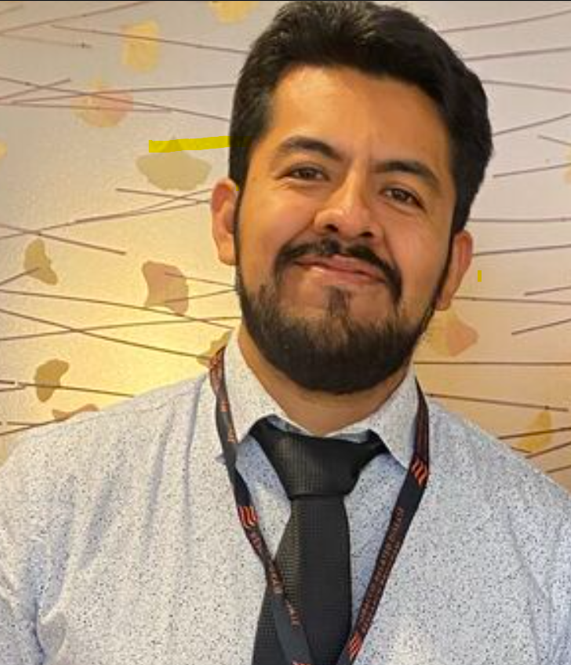
Graduate awardee Luis F. Gonzalez, a second-year M.A. student in Psychological Science with a Neuroscience concentration, is conducting impactful research at the intersection of developmental psychopharmacology, sleep, and circadian biology. Working in Dr. Leslie Amodeo’s lab, his research explores how early-life exposure to substances such as Ritalin, alcohol, and antidepressants affects sleep-wake cycles, attention, and long-term neurobehavioral outcomes using rodent models. His work also extends into science policy and public health through the STOPS program, where he has addressed tobacco-related disparities and authored a publication on nicotine pouches. Gonzalez has earned multiple awards for his research communication and scholarly excellence and plans to pursue a Ph.D. in Behavioral Neuroscience while continuing to bridge science, policy, and community impact.
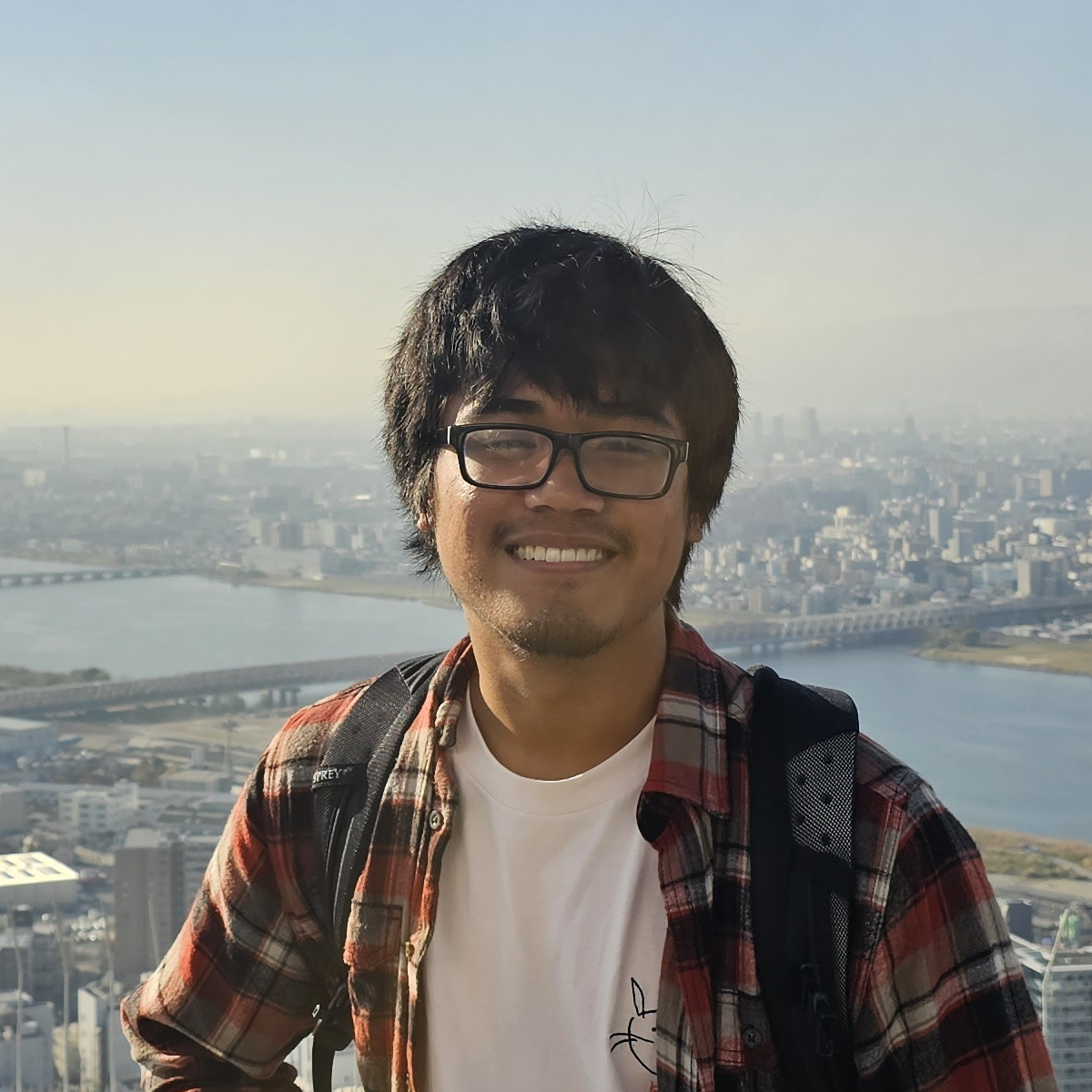
Undergraduate awardee Shaun Colegado, a fourth-year Computer Science student specializing in Human-Computer Interaction, focuses on the human side of emerging technologies. His research examines the reliability and transparency of large language models, including studies on chatbot performance and the development of memory systems for long-term AI interaction. Inspired by an international research experience in Tokyo, Colegado integrates human-centered design into both his academic work and personal projects, exploring how users engage with complex systems. He will continue his research as a Fulbright Canada-Mitacs Globalink Research Intern at Simon Fraser University and plans to pursue a Ph.D. in HCI, with future goals of advancing research at the intersection of cognitive science and human-AI interaction.
2025 Outstanding Student Researcher Awardees
Logan Ashbaugh is a 1st-year graduate student at California State University San Bernardino, where he is pursuing an M.S. in Computer Science. He has participated and contributed to research involving sentiment analysis with machine learning, in collaboration with professors at the university. In his studies, Logan focuses on discovering patterns in data with both data analysis and machine learning, while also learning about game development and methodologies. His interest in Computer Science comes from a desire to push the boundaries of machine learning to discover new things about the world that would be difficult to see as a human. Logan works as a programmer at the xREAL lab at CSUSB, contributing to projects designed to aid both professors and students in the classroom.
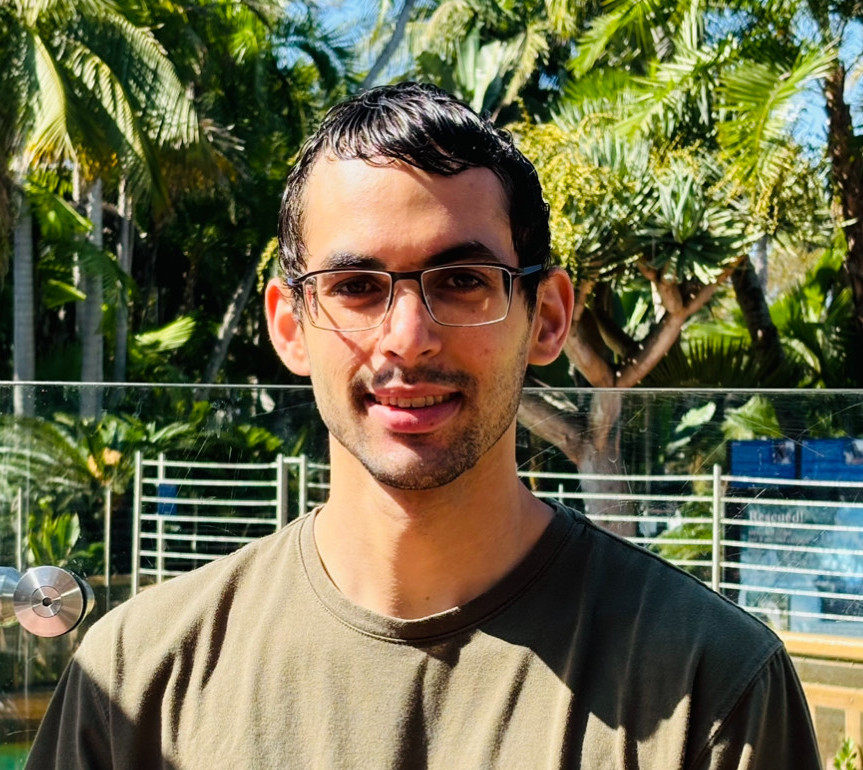
Calvin Glisson is a third-year Master’s in Computer Science student at California State University, San Bernardino. He has published research in computer vision at the top-tier IEEE/CVF Winter Conference on Applications of Computer Vision (WACV), and is a winner of the 39th Annual CSUSB Student Research Competition. In his work, he has developed novel methods for improving perception neural networks used by autonomous vehicles, leveraging the underutilized frequency domain to make more robust neural network systems. This work has the potential to make self-driving car systems more efficient and safe for both the passengers and other vehicles on the road. Calvin has also worked extensively as a teaching assistant, helping teach courses on data science, computer science, and compilers.
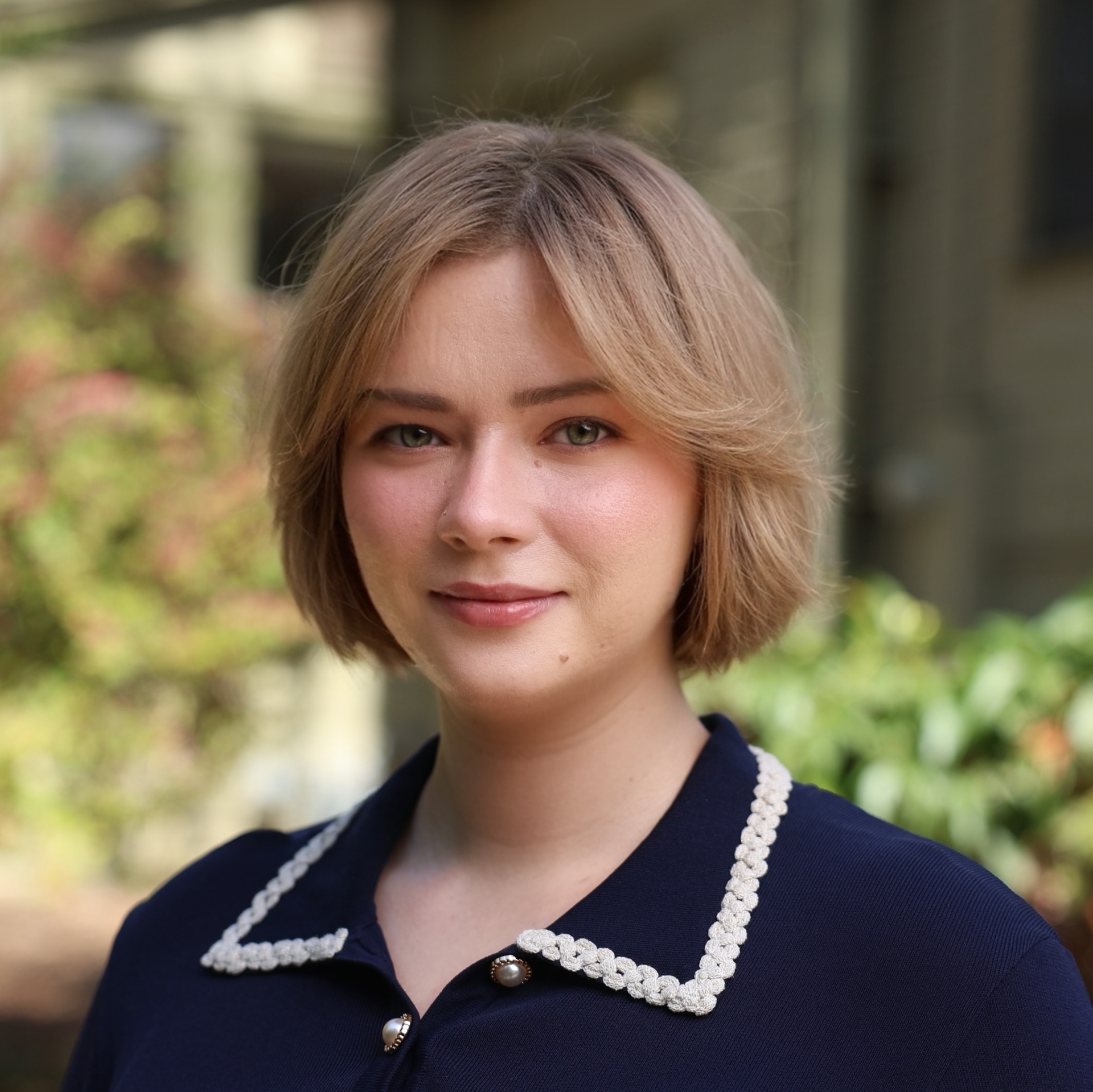
Rachel Kanter is a fourth-year psychology student at California State University, San Bernardino (CSUSB). Through her professional experience and academic tenure, she has observed the challenges faced by communities impacted by intergenerational poverty and trauma, as well as the profound psychological ramifications of interpersonal violence. Motivated by these experiences, her research examines the psychological traits, belief systems, and situational contexts that contribute to moral injury, particularly among survivors of intimate partner and childhood sexual abuse. She has presented her research at numerous academic conferences and published articles in the Journal of Interpersonal Violence and the Journal of Religion and Health. Rachel has conducted multiple independent research projects under the mentorship of Dr. Christina Hassija and Dr. Brittany Bloodhart, designing and implementing studies on moral injury and predictors of empathy. Additionally, She co-founded the Women’s Advocacy & Violence Education (WAVE) Lab at Crafton Hills College alongside Dr. Diane Pfahler, was selected for an internship at the Human Flourishing Program at Harvard University, where she has already contributed to a psychometric validation study, and was recently invited to present her research online at the International Centre for Moral Injury. Her academic excellence has been recognized through grants, scholarships, and awards such as the NIH T34 Undergraduate Research Training Initiative for Student Enhancement (URISE) award, the Raymond Pryke Memorial Honors Scholarship, a Student Research Grant, a first-place poster award at the Honors Transfer Council of California, and through winning the CSUSB Student Research Competition in the Undergraduate Behavioral and Social Sciences category. She plans to pursue a Ph.D. in Clinical Psychology and establish a research lab dedicated to understanding and mitigating moral injury.
2024 Outstanding Student Researcher Awardees
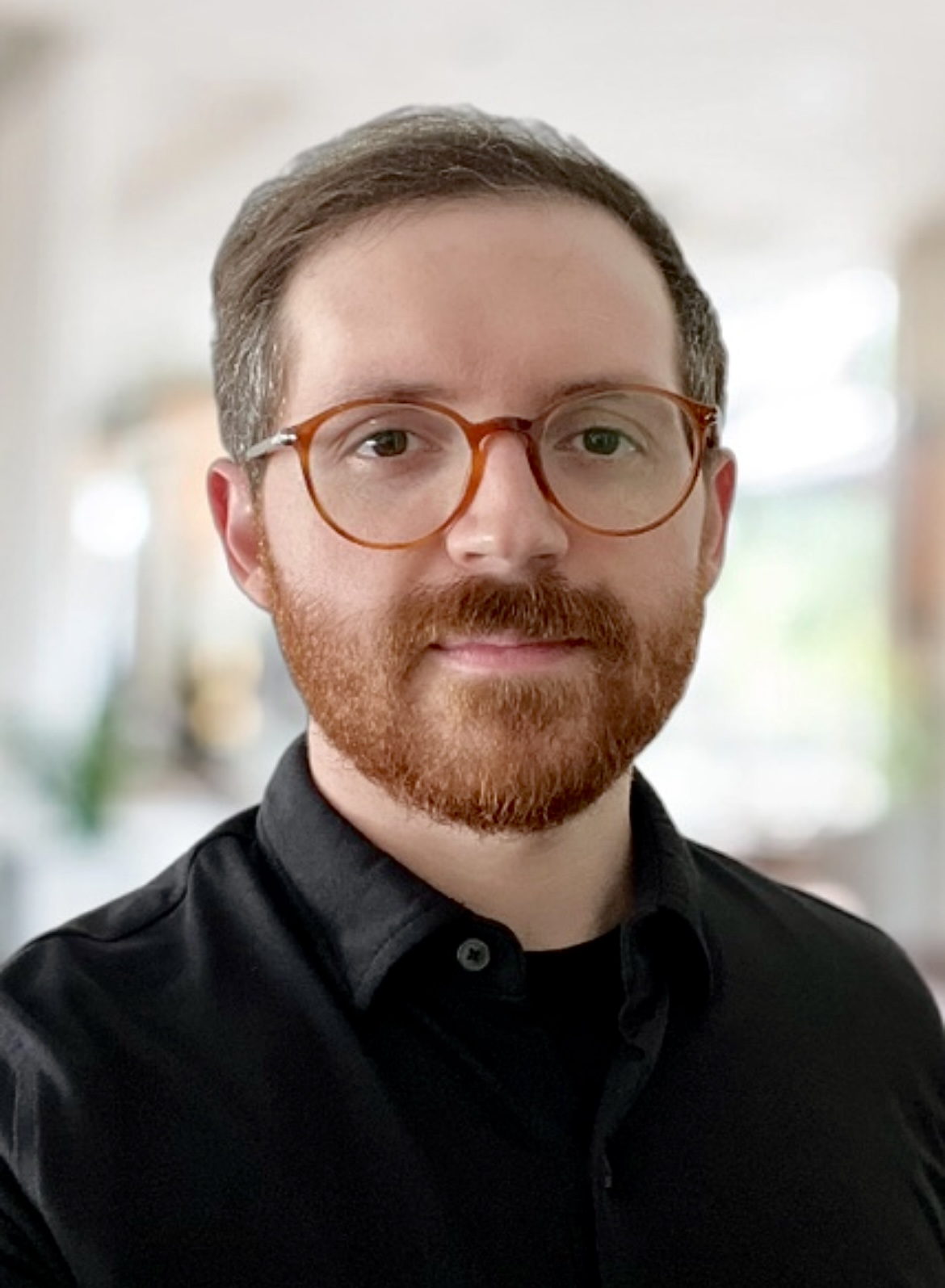
Alexander Dixon was born in Fullerton, California in 1994 and earned his BFA with a dual concentration in graphic design and glass from California State University, Fullerton, in 2020. During that time, he found a passion for glass and, since then, has been committed to challenging its conceptions and limitations. Even from a young age, he was always drawing, which eventually transitioned into graphic design in high school, and then into graphic design and glass in college. Although he primarily works with glass these days, he continues to work as a graphic designer in the field and even started his own small business named, Stellar Signworks, which focuses on design, branding, and signage. For him, design is always in his mind and the background of his artwork. He received multiple scholarships during his undergrad which allowed him to travel the country to take intensive workshops at renowned institutions, such as the Pilchuck Glass School, the Corning Museum of Glass, and Penland School of Craft. These incredible opportunities allowed him to meet and network with like-minded individuals from all over the globe, which only fueled his passions even more. He graduated with his MFA from California State University, San Bernardino, in December 2023, where he currently teaches Glass and Creative Technology for artists.
When he is not teaching, or making artwork, he travels and watches documentaries on various aspects of art and design for fun. He never stops looking for inspiration and working towards his goal of advancing in the field of art. He loves to travel and attend intensive workshops all around the country to develop his skills in glass-blowing and other glass-making techniques, learning from the top artists of our time. For him, glass is more than an art form; it’s a way of life. The way the material reacts to the human touch is unlike anything else and causes the maker to be fully present in the moment. Glass is a part of life that we interact with every day, but often it seeps into the background and becomes almost invisible; the same happens with design. Both art forms serve as inspiration to him, and he seeks to highlight the role of the graphic designer in our world today.
His current goal is to be an established and exhibiting artist at the most prominent and prestigious museums and galleries across the globe. He wants to continue to teach at universities, fostering the development of the next generation of artists. His extensive knowledge of design paired with his historical and contemporary knowledge of glass, sets him apart from other contemporary artists of our time. His artwork is a blend of optical illusional art, combined with digital technology, and historical glass techniques, melding the two-dimensional and three-dimensional realms together. Through immersive installations and interactive experiences, he seeks to redefine the bounds of visual art and continues to investigate how the role of graphic design and its relation to public perception and societal influence.
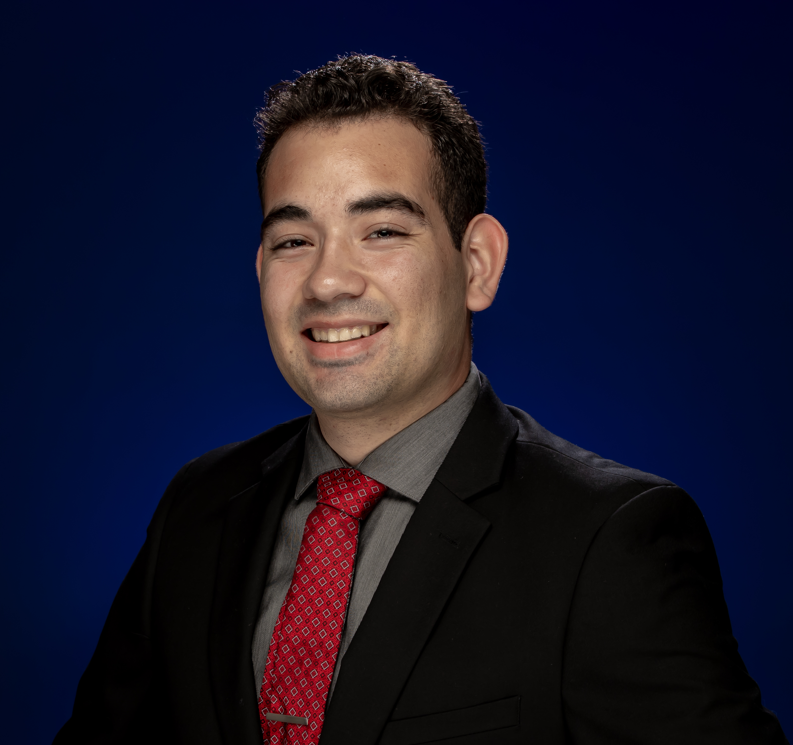
David Murillo is a graduating senior from the College of Natural Sciences majoring in Chemistry and minoring in Physics. Originally a transfer student from Victor Valley College, while at California State University San Bernardino (CSUSB), he has served as a senior research assistant with Prof. Renwu ‘John’ Zhang, as a learning assistant with Prof. David Maynard and Prof. Joyce Pham, and as President/Community Outreach Coordinator of the Society for the Advancement of Chicanos/Hispanics and Native Americans in STEM chapter at CSUSB. As a researcher, he plans to address issues of sustainability using polymer science in applications such as water pollution, energy storage, and nondegradable plastic waste. This was inspired by his work with Prof. Zhang from CSUSB on porous polymers for hydrogen storage and his with Prof. Jeremiah A. Johnson from MIT on solid polymer electrolytes. Both projects tackled the need for sustainable energy storage methods that were safer and more effective than current ones.
David is the recipient of multiple undergraduate scholarships such as the S-STEM, Ralph H. Petrucci, CNS Edison, California Pre-Doctoral Program, and Barry Goldwater scholarships and is a recipient of the National Consortium for Graduate Degrees for Minorities in Engineering and Science Fellowship. He plans to capitalize on these opportunities to continue building his capabilities as an educator, researcher, and community builder while in graduate school pursuing a Ph.D. in Chemistry. In the future, David plans to return to a primarily undergraduate institution as a faculty member to support underrepresented and disadvantaged students in STEM by making science education impactful and enjoyable, providing research opportunities for students, and building communities that provide a sense of belonging and connecting students to large networks.